

For high school students passionate about the field of psychology, choosing the right extracurricular activities can be the key to building a competitive college application. Whether you plan to pursue clinical psychology, cognitive psychology, or developmental psychology, admissions officers look for more than just theoretical knowledge; they want to see curiosity, practical experience, and genuine passion for mental health. This article explores the best extracurriculars for psychology students, offering a roadmap to align your interests with meaningful, skill-building experiences.
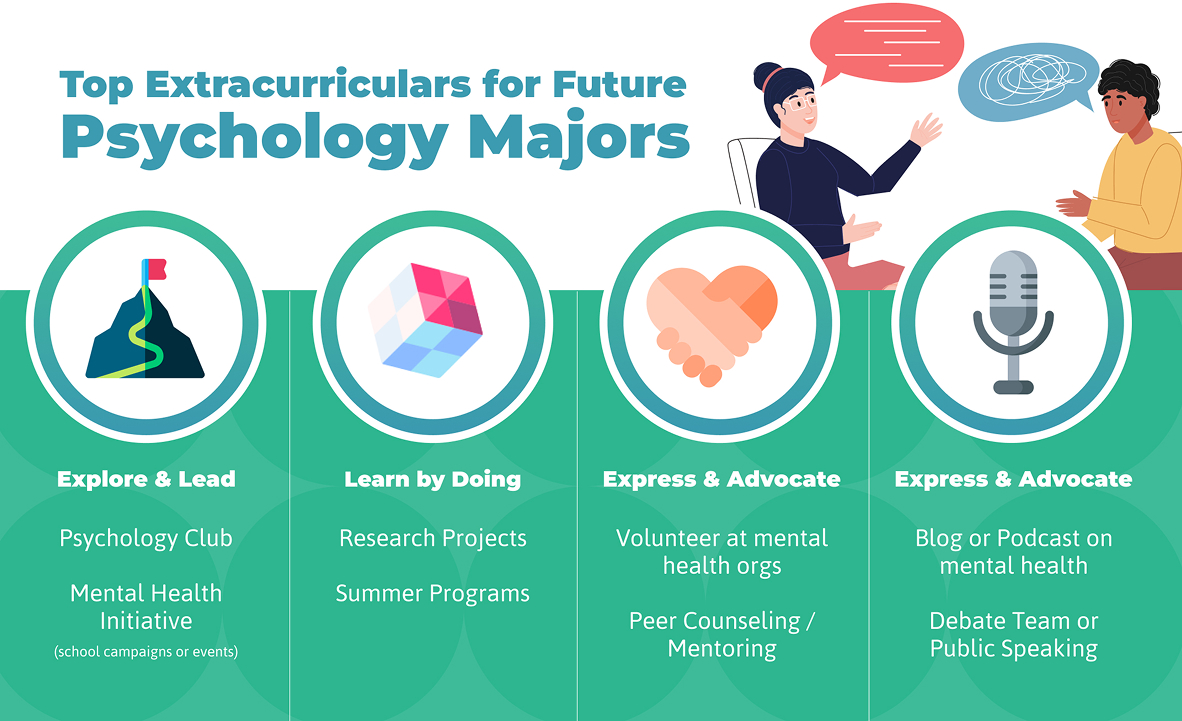
Join or Start a Psychology Club
Participating in or founding a psychology club is one of the most direct ways to showcase your interest in psychological topics. These clubs often host guest speakers, lead discussions on the latest research in psychology, and explore current mental health issues. By organizing activities like movie nights featuring films focused on mental illness or debates about psychological theory, you will build both critical thinking and communication skills, two of the most essential qualities for future psychology majors.
Founding a club demonstrates leadership and a proactive attitude. You could even partner with local mental health organizations or invite professors from local universities to speak, providing opportunities to strengthen your membership’s understanding of psychology in practical settings.
Conduct Independent or Supervised Research Projects
Engaging in research projects is an excellent way to demonstrate a deeper understanding of psychological theory and its real-world applications. If you’re able to connect with a mentor at a local university, you might gain research experience by helping with a study on mental health conditions, human behavior, or cognitive psychology.
Even if such mentorships aren’t available, high school students can still initiate independent research by designing a survey or behavioral study with guidance from a teacher. Research enhances your ability to analyze data, write research summaries, and engage with the latest work in the field, all valuable experiences for a psychology student applying to Top 50 colleges.
Volunteer with Mental Health Organizations
Service work with mental health organizations is one of the most impactful extracurriculars you can pursue. By answering calls for crisis hotlines, supporting mental health awareness campaigns, or volunteering at local clinics, you’re gaining firsthand exposure to the issues that psychology majors will one day address professionally.
Opportunities might include assisting with events for Mental Health America, helping raise funds for the National Alliance on Mental Illness (NAMI), or organizing school-wide mental health initiatives. These experiences build empathy, a sense of community, and a practical understanding of mental health.
Enroll in Psychology Courses and Online Certifications
While many high schools now offer psychology courses, supplementing your education with online courses from accredited platforms or colleges can significantly expand your broader knowledge base. Look for programs that offer college credit or certificates of completion in topics like psychological theory, developmental psychology, or mental health conditions.
Courses from organizations like the American Psychological Association or reputable universities can help psychology students develop both academic depth and practical skills involving what they’ve learned in class. These courses also demonstrate a strong work ethic and dedication to the field outside the traditional school day.
Start a Mental Health Blog or Podcast
One great way to explore psychological topics while building your communication skills is by creating content that educates others. A blog or podcast focused on mental health awareness, current psychological research, or interviews with professionals in the field can become a signature project.
Not only do these platforms allow you to explore complex issues like mental illness or the impact of trauma, but they also allow admissions officers to see how you synthesize complex topics and convey them to a public audience. This type of extracurricular highlights both critical thinking and leadership.

Peer Counseling and Mentoring Programs
Many high schools offer peer counseling programs, where students receive basic training to support classmates experiencing stress or anxiety. While this is not the same as working with a licensed clinical psychologist, it does provide early insight into the interpersonal dynamics involved in clinical psychology work.
Serving as a mentor or peer counselor helps students develop empathy, listening skills, and conflict resolution techniques. These experiences are excellent preparation for the practical settings psychology majors will eventually face in college and beyond.
Attend Psychology-Related Conferences or Summer Programs
High school students interested in the field of psychology can benefit from attending summer programs or academic conferences. Many local universities host psychology camps or research intensives that offer exposure to advanced topics such as neuroscience, forensic psychology, or therapy techniques.
Some competitive summer programs even allow students to collaborate on research projects, gain lab experience, or attend lectures on mental health conditions and treatments. These programs also signal a strong commitment to the field and often serve as stepping stones to long-term mentorships or internships.
Participate in Speech and Debate or Public Speaking
While not directly related to psychology, public speaking activities such as the debate team or Model UN help build persuasive communication, argumentation, and critical thinking skills. These abilities are particularly useful if you intend to pursue a career in academia, clinical practice, or mental health advocacy.
Debating controversial psychological topics or mental health policy, for example, allows you to practice articulating complex issues with clarity and poise, an important skill in both research and clinical work.
Create a Mental Health Initiative at Your School
Starting a school-wide mental health initiative or awareness week is another powerful way to demonstrate leadership and dedication. These initiatives can include workshops on stress management, guest speakers, mindfulness sessions, and informational campaigns about mental health conditions.
Such initiatives often make a lasting impact on your school environment, add a meaningful leadership experience to your resume, and reflect a genuine passion for promoting wellness and reducing stigma. They also signal the ability to translate psychological theory into practical application, a trait that Top 50 colleges highly value.
Show Passion Through Purpose
The best extracurricular activities for psychology students reflect not only a passion for psychological theory but also a commitment to addressing mental health issues in real-world settings. Whether through research projects, volunteer work, peer counseling, or public advocacy, these experiences demonstrate to colleges that you’re more than a student. You’re a future change-maker.
If you’re a high school student looking to strengthen your college application for a psychology major, don’t just follow the standard path. Pursue activities that highlight your intellectual curiosity, personal growth, and desire to make a difference in your chosen field.
Need help designing a strategic extracurricular plan or targeting Top 50 psychology programs? Contact Spark Admissions today and let our expert counselors help you stand out with purpose.