
- Blog
- > Navigating High School
Best Extracurriculars for Engineering-Minded High Schoolers
- Dr. Rachel Rubin
- | August 5, 2025

Applying to a Top 50 engineering program requires more than just high test scores and AP courses. While academic rigor is important, college admissions officers at top-tier universities are also looking at how you spend your free time. Your extracurricular activities offer valuable insight into your passion for engineering, your ability to collaborate, and your drive to solve real-world problems.
In fact, for engineering applicants, these outside-the-classroom experiences often serve as early evidence of potential. Whether you’re applying Early Decision, Early Action, or through regular rounds, demonstrating a well-rounded and STEM-focused extracurricular profile can set you apart in a highly competitive college admissions process.
Below, we outline the best extracurriculars for high school students who plan to pursue engineering programs and how those activities support your goals during the college application process and beyond.
Passion Projects and Their Role in Engineering Admissions
Involvement beyond academics can be a powerful differentiator. Unlike structured programs or school-led clubs, passion projects are student-driven initiatives that stem from personal curiosity, creativity, and dedication, qualities that college admissions officers value highly.
Whether it’s designing a low-cost water purification system, building a mobile app to solve a local problem, or creating a YouTube channel that explains engineering skills to younger students, these independent projects offer a compelling narrative in your college application. They show that you’re not just going through the motions, but also actively exploring the world of engineering in your free time.
What makes passion projects especially impactful is that they often integrate both hard work and soft skills: from planning and research to execution, troubleshooting, and even promotion through social media or public events. This blend of technical know-how and initiative aligns perfectly with what prestigious engineering programs look for in future students.
If you can document your project’s development through a website, photos, reports, or presentations, you’ll have a strong foundation for your personal statement, as well as excellent material to share during interviews or with potential recommenders.

Robotics Competitions and Engineering Teams
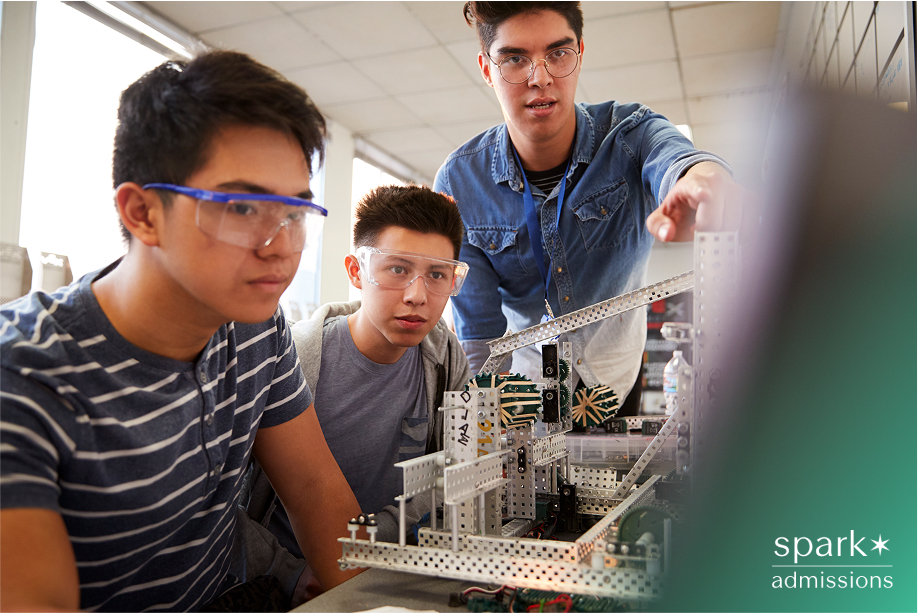
One of the most effective and popular ways for future engineering students to stand out is through robotics. Participating in programs like the FIRST Robotics Competition or VEX Robotics lets you gain hands-on experience with mechanical design, coding, electrical systems, and teamwork.
These activities mimic real-world engineering challenges and show your ability to collaborate with team members on complex, time-bound projects. If you take on a leadership position as a team captain, lead designer, or strategist, it demonstrates initiative, dedication, and strong engineering skills.
Many of these programs also require public presentations and written reports, helping you develop soft skills like communication, documentation, and time management, which are crucial for both the engineering college experience and long-term career success.
STEM-Focused Summer Programs and Pre-College Courses
Attending summer programs at universities or through national organizations is another great way to explore your interest in mechanical engineering, computer science, or other types of engineering. These programs often offer access to college-level labs, faculty, and project-based learning, all of which can inform your eventual personal statement.
Look for options like MIT’s Minority Introduction to Engineering and Science (MITES), Carnegie Mellon’s SAMS, or the Engineering Summer Academy at Penn. Some of these programs even offer college credit, which can further strengthen your college application.
Pre-college STEM programs give you a chance to connect with other high school students who share similar interests, allowing you to expand your network and develop a deeper understanding of your chosen field.
Science Fairs and Engineering Competitions
Participating in science fairs at the school, regional, or national level allows high school students to dive deeply into a specific engineering niche. You could be designing a water filtration system, building a drone, or developing an app. These projects help you show hard work, ingenuity, and problem-solving ability.
Events like the Intel International Science and Engineering Fair (ISEF) or local school fairs provide platforms to demonstrate your technical knowledge while honing your public speaking and written communication skills. These projects also serve as great content for your college admissions essays and interviews.
Many engineering colleges look for applicants who can clearly explain not just what they did, but why it matters. A well-executed science project with real-world implications can provide that narrative.
Internships or Apprenticeships with Engineering Firms
Hands-on experience through internships or apprenticeships at a local engineering firm can set you apart from other college applicants. These experiences expose you to the day-to-day realities of engineering work and demonstrate initiative beyond the high school classroom.
Even shadowing an engineer or assisting on small-scale technical tasks can show college admissions officers that you’re serious about the profession. Internships give you talking points for your college application, as well as insight into what types of engineering might interest you most, from civil to aerospace to biomedical.
If you’re unable to secure a formal internship, try creating your own independent project, offering to help with school facilities, or working with local mentors in STEM fields.
Math Teams, Coding Clubs, and Future Problem Solving
Math competitions, coding clubs, and logic-based challenge teams are excellent extracurricular interests for students applying to engineering programs. These activities highlight your analytical thinking, precision, and creativity, traits that define strong engineering students.
The Future Problem Solving Program is particularly well-suited for those who enjoy designing solutions to global or technical issues. Students in these programs often compete at the state and national levels, giving them opportunities to showcase their skills in highly visible, achievement-oriented environments.
These activities also help you develop teamwork, time management, and fast-paced decision-making skills, which are highly valued by both college admissions committees and engineering professors.
Makerspaces, Engineering Clubs, and Tinkering
Not every impressive extracurricular has to be a competition. Participating in an engineering or “maker” club, where you build projects like bridges, go-karts, or solar ovens, can be just as valuable. These clubs often allow you to experiment, troubleshoot, and collaborate in a lower-pressure setting.
If your school lacks these opportunities, starting your own club or using community resources like libraries or local innovation labs can be a strong addition to your college application. Launching such initiatives shows leadership skills, resourcefulness, and genuine dedication to the world of engineering.
Remember: Engineering is a field that values both theory and application. Your willingness to build, break, and rebuild things speaks volumes to admissions officers.
National Honor Society and STEM-Based Service Projects
Membership in the National Honor Society reflects a well-rounded student with academic excellence, character, and service, traits valued in the college admissions process. But to tailor this activity to your engineering goals, look for ways to integrate STEM into your service work.
For example, you might lead a project to install solar panels for a nonprofit, teach coding at a local school, or design accessibility solutions for your community. These experiences combine academic strength with real-world application, enhancing both your college application and your readiness for rigorous engineering programs.
Balancing Passion and Practicality in Your Activities
It’s important to combine hands-on technical experience with strong interpersonal and planning skills. While your extracurriculars should demonstrate depth in STEM subjects, they should also show your ability to work in teams, take initiative, and follow through on long-term goals.
Top engineering colleges don’t just want students who can solve equations; they want students who can innovate, lead, and collaborate. So be intentional. Choose activities that align with your engineering niche, stretch your abilities, and reflect your genuine interests.
Level Up Your Admission Chances
When college admissions officers evaluate engineering applicants, they look beyond GPA and AP scores to understand who you are as a person and a problem-solver. Your extracurricular activities help paint that picture.
By spending your high school years competing in robotics, apprenticing at a lab, or undertaking a challenging summer program, you can demonstrate your dedication and your willingness to go above and beyond to engage with the field of engineering. These experiences will become the basis for your personal statement, recommendation letters, and future academic success.
At Spark Admissions, we specialize in helping high school students craft compelling, customized paths toward the best engineering colleges in the country. As you’re building a strategy for a standout college application, we’ll help you align your extracurricular activities, academic goals, and passions.
Contact Spark Admissions today to build your blueprint for engineering admissions success.
About The Author