

While some elite institutions view supplemental media as a vital window into your personality, others treat it as optional or unnecessary. Navigating the growing list of colleges that accept video introductions can be challenging, especially since requirements for length, format, and platforms vary widely. This guide provides a research-backed breakdown of school-specific expectations and Spark Admissions’ data-driven strategy for when to submit or skip a video introduction. Start with the schools below, then use the guide to script, film, and upload with confidence.
1. Brown University: The Personality Profile
Brown University offers an optional 90-second video introduction, providing a rare channel to showcase your personality and voice directly to the admissions committee. Applicants typically submit via the student portal or a specified platform; verify current cycle requirements early to ensure compliance. Use this segment to share a unique perspective or energy not captured in your written essays. Brown explicitly prioritizes authentic communication and substance over high production value.
2. University of Chicago: The Intellectual Personality
UChicago’s optional two-minute video profile extends the university’s focus on voice and fit, effectively replacing traditional alumni interviews. As one of the more distinctive colleges that accept video introductions, UChicago uses the submission to assess your intellectual personality. To succeed, demonstrate qualities like unconventional curiosity or humor without over-producing the final clip. Admissions officers prioritize an unscripted, authentic voice that mirrors the academic rigor emphasized in their application process.
3. Boston University: The Glimpse Snapshot
Boston University (BU) accepts an optional video introduction via Glimpse, which offers a free basic version and a paid premium tier. Applicants should target a 60 to 90-second response using an “elevator + evidence” structure:
- One line defining your identity.
- One concrete activity, visual, or example.
- One line explaining your BU-specific fit.
Among colleges that accept video introductions, BU values clarity—especially strong audio and lighting—over complex editing or elaborate production.
4. Bowdoin College: The Micro-Interview
Bowdoin requires a video response recorded directly through their applicant portal rather than a pre-produced upload. You typically have two minutes to respond, with limited opportunities for retakes. To reduce stress, treat this as a micro-interview:
- Answer the prompt directly
- Prioritize warmth and clarity over cleverness
- Focus on authentic delivery rather than technical perfection
This strategy helps applicants avoid common pitfalls associated with timed, portal-based video recordings.
5. Claremont McKenna College: The Fit Amplifier
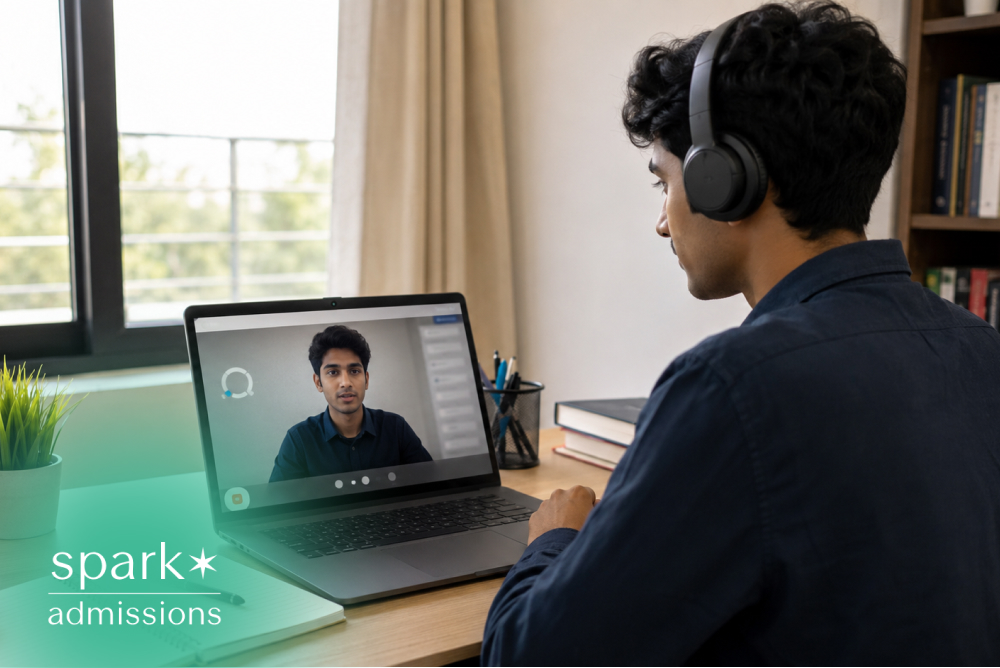
CMC offers an optional two-minute video introduction through its applicant portal. This can serve as an alternative for students who missed the evaluative interview deadline. Use this opportunity to demonstrate fit by highlighting specific connections to the college’s programs, research institutes, or campus culture. For students without an interview, the video helps reinforce alignment with CMC’s leadership-focused community.
6. Vanderbilt University: The Narrative Evidence
Vanderbilt offers an optional 60- to 90-second video introduction through the Glimpse platform. Since Glimpse allows pre-recorded uploads, you can use multiple takes to ensure a polished, professional delivery for the admissions committee. Focus on one specific “evidence” moment, such as a leadership experience or project, and explain how it reflects your strengths. Conclude by connecting that experience directly to a tangible contribution at Vanderbilt.
7. Wake Forest University: The Conversational Response
Wake Forest prioritizes conversational presence over production quality. The two- to three-minute portal submission should feel natural and minimally edited. To present confidently:
- Maintain direct eye contact with the camera.
- Use a simple, quiet background.
- Structure your response with a clear beginning, middle, and end.
This strategy helps your video feel authentic rather than overly rehearsed or over-produced.
8. Swarthmore College: The Rapid Response
Swarthmore prioritizes spontaneous insight through its portal-based, impromptu video. This 90-second format with limited retakes can lead students to sound overly rehearsed if they overprepare. A simple structure helps:
- A direct answer
- One specific example
- A brief reflection
This framework keeps your response focused and thoughtful under time constraints.
9. Duke University: The Selective Video Introduction
Duke offers an optional video submission through Glimpse, though availability may vary by applicant group or admissions cycle. Always confirm that the option appears in your applicant portal before preparing a submission.
If offered, use the 90-second format to highlight intellectual engagement. Discuss a question you explored, a moment you changed your perspective, or a problem you worked to solve to demonstrate fit among colleges that accept video introductions.
10. Washington University in St. Louis: The Interview Alternative
WashU accepts InitialView-style submissions, often as an alternative to interviews for international and homeschool applicants. This structured format provides a personable, concise introduction to your candidacy. To use it effectively:
- Follow all platform-specific guidelines.
- Keep your oral responses aligned with your written narrative.
- Avoid “plot twists” that contradict your broader profile.
This helps reinforce your application rather than complicate it.
How to Execute Your College Video Strategy
Follow this six-step workflow to make sure your video strengthens your application.
Step 1: Identify the Submission Format
Determine the format required by the colleges that accept video introductions. Portal recordings often limit retakes and prevent post-editing, while uploaded videos allow for editing but still require authenticity. Vendor interviews through InitialView or Vericant follow a structured interview workflow. If you use Glimpse, review the prompts in advance.
Step 2: Build a 90-Second Storyboard
Spend ten minutes outlining your response:
- Hook (0–10s): State your name and one memorable, non-academic detail.
- Evidence (10–40s): Show one tangible project, instrument, or team role.
- Connect (40–70s): Explain why this work matters and what you are curious about next.
- Close (70–90s): Express gratitude and your potential contribution.
Before filming, confirm whether submitting a video is the right choice for your application.
Step 3: Film for Clarity
Position your light source in front of you. Use a stable phone camera and make sure the room is quiet for clean audio. Stick to one background with minimal props and avoid unnecessary visual distractions.
Step 4: Add Accessibility
For file uploads, include captions or subtitles to ensure your message is clear even without sound. Keep a short transcript ready if the portal includes a text box.
Step 5: Avoid Common Mistakes
Do not read directly from a script or rely on clichés. Skip dramatic editing or unnecessary effects. Make sure your delivery aligns with the tone and content of your written application.
Step 6: Confirm Upload Windows
Check your applicant portal for deadlines. Some schools allow a short window after submission for video uploads. Note that video introductions and formal interviews are separate processes and require different preparation.
If you want feedback on whether your video adds value, book a consultation or explore our consulting packages.

Frequently Asked Questions
Should I submit a video introduction if it is optional?
Submit the video if it adds new information, such as your communication style or a dimension not fully captured in your essays. Skip it if you are simply repeating your resume or cannot meet the technical specifications provided by the school.
Can an optional video ever hurt my application?
Yes. A video can weaken your application if it feels overly scripted, uses inappropriate humor, or contradicts the narrative in your written application. High-production montages that feel like commercials often alienate admissions officers. Prioritize an authentic and unpolished voice to make sure you appear genuine and professional.
Can I reuse the same video for multiple colleges?
You can reuse your core idea, but adjust for each school’s requirements. If you upload the same file to multiple portals, make sure you do not mention a specific school by name unless you have edited a custom version for that institution.
Should I add captions or subtitles to my video?
Yes. Adding captions is a best practice for accessibility and makes sure your message is understood if an officer views it on mute. For file uploads, use clean and readable text. If the portal uses a direct-record system that lacks captioning tools, prioritize clear audio and a slower speaking pace instead.
When is the video due and is there a grace period?
Deadlines vary by institution. Some colleges require submission with the primary application, while others offer a grace period of one to two weeks after you submit. Check your applicant portal immediately after submitting your application to confirm the specific window for supplemental materials.
Strategic Next Steps
Build your overall application plan before you begin filming. If you’re unsure whether a video introduction will strengthen your application, contact Spark Admissions for guidance to make that decision more confidently.